Showing posts with label Sagar. Show all posts

Evaluation

| 6 May 2011 | 0 comments |
1. In what ways does your media product use, develop or challenge the forms and conventions of real media products?


Our media product “ You’re my Friend Now” has similar codes and conventions of the Horror / Thriller sub-genre. The story is about a physically disabled little girl, who on first appearance is very cute and girly, is really a sadistic and brutal murderess with deep psychological problems. Despite her physical disabilities she is very influential and super intelligent and has managed to make her cater her murder accomplice.

At the beginning of the film it shows cuddle toys giving an innocent appearance to the film , then the scene changed drastically when the teddy is being strangled with the ceiling and then in another shot the teddy is lying o n the floor being stabbed by a sharp knife.

You can see the similarities of “ You’re my Friend Now” with Orphan a 2009 American horror and thriller film directed by Jaume Collet-Serra. The two main characters in this film of horror are both children with physical disabilities, Max is a deaf-mute and Esther is actually a 33-year-old woman named Leena Klammer. She has hypopituitarism, a condition that stunted her physical growth, and has spent most of her life posing as a little girl. Leena is extremely violent and has murdered at least seven people.


When the carer committed the murders he was dressed as a clown, we used a clown because in popular culture the image of the evil clown is seen as disturbing through the use of horror elements and dark humour throughout many horror films. We also used an evil clown because some peoples irrational fear of clowns known as “coulrophobia”


Clowns are often shown as murderous psychopaths at many American haunted houses.

One of the most famous films with evil clowns is Stephen King novel It


The background and set where the murders occurred within an disused empty warehouse, the walls were all white and a very similar murder scene to the film Saw a 2004 American-Australian horror film directed by James Wan

2) How does your media product represent particular social groups?

Our thriller represents male and females to be quite the opposite to each other in comparison to stereotypical views on male and female. Our male character Jack is shown to be a very weak person as he does everything that he is told by seven year old Mary. Mary is our female character her mind is very advanced for her age and has a lot higher status to Jack, we see this when Mary orders Jack to put on a clown mask, then when he picks up a weapon she shouts at him to use a different one, then he complies.


Mary seams to be getting a lot of enjoyment out of watching others in pain we see this when she is laughing at the other little girl is about to be torched.


The other little girl (the victim) is represented as quite the opposite to Mary. Even though they are the similar age, the victim is portrayed to be a very innocent and scared this is shown when she is holding her teddy bear which is stereotypical of young girls.

The roles between disabled and non –disabled groups have also switched in this film, in past years disablied people in films have been portrayed with negative attitudes, for example, in Germany, during Hitler's Third Reich, there was a series of propaganda films to show how disabled people where considered inferior and useless to his society.

Feature films, such as Ich klage an (I Accuse) (1941, Wolfgang Liebeneiner), played a crucial role in justifying to the German population the concept of 'mercy killing'. This film was seen by 13.5 million.

140,000 physically and mentally disabled adults were murdered in 1939-40 at the hands of the doctors of the Third Reich. The killing of disabled children went on until 1945, with over 100,000 dying.

Our film does the complete opposite it portrays the disabled girl as the main and powerful character who was very influential and controlling of others. The other characters were very intimated by the disabled girl and obeys her ever command, she had all the power and prestige.


3) What kind of media institution might distribute your media product and why?


Our film is a British thriller with very little funding. There are various ways to help fund our film, one of the ways we could get the funding is from the UK film council (ukfc) this organization has access to money from the national lottery. The ukfc is soon to be shut down due to government cut backs so we may have to go to(BFI) the British film institution.


Our film is not likely to be funded by the big Hollywood studios such as paramount , 20th century fox or Warner bros. a more realistic choice for our group to get sponsored is by momentum pictures a UK independent distributor which produced the Oscar winning film The kings speech. Another sponsor is Warner independent UK also produced another low budget Oscar winning film slum dog millionaire. It would be nice to get the sponsors by one of these studios but I fink our best choice would be to go with BFC or UKFC.


4) Who would be the target audience of your media product

Our film production crew agreed that our target audience would be from the ages of 15 to 40 years old. We chose this because our audience researched showed that the people that enjoyed thriller movies the most were between these ages. The audience tended to watch movies that were 15 certificates some of the favorites that came out of our research were the matrix and orphan. We have decided on the BBFC rating of 15 as it’s not suitable for anyone under this age because there is blood and violence , the reason why we did not make this a eighteen is because it does not show nudity , strong language or detailed violence.


5. How did you attract / address your particular audience?

Because our target audience were aged between 15 – 50 years old we wanted to attract a wide range of age groups, so we began to attract the younger generation by having the opening scene in a park. Once we had their attention, we then went to grab the older peoples attention eg the adolescent age group by showing a click view of the stabbing scene where a hand is holding onto a big knife and stabbing a teddy.

To keep the older generation ege 30 + we needed to make the film clever and intelligent that’s why we included the twist at the end, portray the young disabled girl and the villain where most people would think she would be the one who was going to be murdered by the carer (eg the man wearing the clown mask).

We made the film end in a thought provoking climax to keep all the audience interested and thinking abut the film afterwards, what we really wanted was them to recommend the film to others to watch, so the young children recommended to their friends, the young adults eg teenagers recommended to their school, college, university friends and the older generations also talk about it to their friends,. So it was important that the film had them on the edge of their seats in anticipation and fear, but most importantly we wanted to to think about this thought provoking subject how a young sweet looking disabled girl has managed to influence her carer to kill for her.

Usually the audience is always on the side of the child and never the carer, the carer is usually portrayed and the “bad” person who hurts the children, we did the opposites in this film so our audience would remember this and it is different and stands out, the more the remember the more they recommend to others to watch it.


Keeping in mind that our target audience is British, we made our locations very typically British. For example, the first sequence of the film is in a local park (as seen above), with everyone relating to this as a childhood pursuit. The more the audience can identify with the film the more inclined they are to take interest in it. Therefore, our audience will feel extra weary that a child abductor is on the loose in an area that looks very similar to theirs.The actors’ clothing also creates this familiarity as the children actors are dressed just like ordinary kids. Hence when seeing that a very ordinary looking child (excluding the fact that she walks abnormally) is really a twisted child killer, this leaves our audience thinking twice about the normal children they may now pass along the street.

From our audience feedback, we were very pleased to find that the sinister storyline to make it more thrilling for the audience. There was also an agreement that the camerawork and editing were of a high quality. For example, people like the use of hand held tracking shots in the warehouse as this made the scene more realistic. They liked Final Cut Pro’s “shaking screen” effect as it added a scary feeling of something not being quite right. They also particularly liked the extreme close up of the young girl’s (Mary) eye as they thought it made her look creepy and weird.


Finally, people also stated that they would want to see how the rest of the film would play out. So, all this shows that we were successful in making an opening sequence that appealed to our target audience


6) What have you learnt about technologies from the process of constructing the product?

We have learned about forms and conventions by watching thrillers such as seven and usual suspects. As a group we did a lot of research like several questionnaires so could find out what kind of thrillers are most popular with our target audience. Once we gathered all our research we had to analyse the data then present it on graphs.

We had to learn in detail how to operate our camera cannons xm2


The camera can zoom in and out; also the camera could focus to the actor and constantly be in focus in the whole frame. The problem we had was the microphone on the camera couldn’t not pick up the voices, so we had to re-record the voices.

In the editing sweat we learnt about a programme called final cut pro. The scene that we recorded we could cut and paste and make the sequence for the movie. We also added in titles to fade in and out during the sequence.

For our different flashed images of clowns and teddy bears, we wanted to make them look more realistic and frightening but didn’t know how to do it at first. The group asked the teacher to show us Final Cut Pro, we wanted to choose particular visual effects to distort both image and sound – effects such as “earthquake” and “spiral” to give the scary vibe we were aiming for.

When blogging I found out that with the pictures you have to insert them one at a time which we find very time consuming. Blogging is a good way to representing data as you can add videos and pictures; you can enter it any way in the world that has the internet.

7. Looking back at your preliminary task, what do you feel that you have learnt in the progression from it to the full product?

One of the most important things we learnt in our progression from the Preliminary Exercise to the Thriller Production is to be organised. To produce a good end product you need to be organised, with the creation of a detailed Project Schedule covering each stage in the production process being essential to this. Following a schedule gave us confidence when we were on top of things and a wakeup call whenever we started to slip behind.

When we first done the camera shots we were very nervuse and not very confident as we had never done anything like this before, plus we didn’t have enough research to do a good job. When we done the target audience research we realised what movies people liked to watch and how perceive you have to be to get a thriller movie to thrill them and also keeping them in suspense.


Editing

| 17 March 2011 | 0 comments |
Editing Pictures:


These pictures where taken during the process of editing our Thriller Sequence called ' You're My Friend Now' .


Location Pictures

| | 0 comments |
Location Pictures :


Pictures of the Warehouse -
Here we had pictures of the interior of the warehouse which was located in Stanmore.

We had Health and Safety as one of the main priorities since we had children as out actresses, therefore we had to make sure the place was safe and secure.

On set we had a qualifies first aider who was there the whole time to look after the children and make sure no one got hurt.
Luckliy we had no problems and didn't need any action to be taken with the first aider.

There was also fire exits and a Health and Safety / Laws and Regulations poster which was on almost every door.
Fire extinguishers were placed all around the building. As well as toilets for all the team to use there was men and female toilets.


Miscellaneous Production Paperwork

| | 0 comments |
Miscellaneous Production Paperwork

Script Development - Storyboard

| 4 February 2011 | 0 comments |

Proposal

| | 0 comments |


Brief

For this project we have been asked to produce a five minute opening sequence for a thriller for OCR. We also have to transfer all of my work and progress onto a blog and we must make sure that my film opening seems authentic and it must also be suited to my target audience. In our project we will produce some research into thrillers in order to create the best opening sequence we can and make my thriller seem genuine. We must submit my two minute opening sequence and blog to my Lecturer by March 14th.

Research findings

From our research we have come to the conclusion that we will create a Horror thriller, as that is what our target audience enjoys the most. From our groups research into Genre, forms and conventions we found that we should have a Protagonist at the mercy of the antagonist, we should include an easy shock generated by a sudden unexpected action. We also found out that many thrillers shared common aspects for example tension building music was a big part in the different thrillers are group researched also In all our thrillers we also noticed that the characters in all our films equilibrium was disturbed and that is what set up the story.

From our research into Target audience we found that our target age group was the 15+ market and that they enjoyed watching horrors the most out of a variety of different genres. We also found that our target audience like having mystery in the films they watch as it makes it more interesting for them however they do not like it when the story gets too complicated so our group must take this into consideration when coming up with ideas for our film opening sequence. In terms of subject matter in Horror we found that many modern horrors contain a variety of different villains and that there are three types of killers which are found in a vast amount of popular horrors and they are the intelligent type who are usually portrayed as being physically weak but incredibly intelligent and manipulative with strong sadistic tendencies, the crazy type who is usually portrayed as scorned women or sometimes just normal people who have become mentally unstable due to an event in their lives and finally there is the extremely strong and durable type who is a lot of the time linked with the supernatural as they never seem to die, this type of villain is usually shown to lack intelligence or in some cases be mentally challenged and kill with no clear motives. Our group believes that our opening sequence will be of most interest to major film companies because it will share many of the themes and aspects that many hit blockbusters use as they are what attract and appeal to the main target audience of the genre.    

Jasmine’s Initial Idea

I chose this idea based on the questionnaires and interviews we did and the research I received out of them. In the questionnaire most people said that the character is a main influence in a films success and a lot of people found a younger character to be more haunting and thrilling. Therefore my movie is based on a younger killer/murder. As well as that I found out the start of the film builds up whether someone will want to pay attention to the rest of the movie or whether they wouldn’t bother as much, so I used a lot of symbolism  as I find it acts on the build up of the plot. As research showed that the plot holds the whole film in place. Overall I tried to make my idea create tension as the girl is killing people that are close to her. Therefore leaving the audience wanting to know why? And what will happen next? at the end of the sequence.


- Start with a blank screen, hear toilet flush. 

- See toilet close up, water swirling from the flush, with a Barbie doll being held in it.


- Hear someone laughing - cute innocent laugh. 


- Crane up to little girl (Chinese?) (Pale, black/dark hair, big eyes?).


- Door bell rings.


- See her grinning.


- Picks up teddy bear from the floor, the teddy bear head is hanging off in the meantime you 


have heard her Barbie drop in the toilet (plop sound).


- She hops and skips down the stairs you see her feet passing the camera. As you see the 


ground around her feet you see various pieces of toy parts all dismantled, torn or broken. 

- See point of view of her looking around the interior from the bottom of the stairs. 


Looks through letter box - see postman then get postman’s view looking at girls eyes peeping 

through.


 - He says “hi….(name)…. Its just me. Where is your mum.


- Girl recognizes him and opens the door “come on in…mummy is in the kitchen”.

- Turns around as he passes following him.


- Post man enters where your mum…is turns around to look at girl. 


- Girl say there and points opposite him. He is staring at the dead body in disbelief.- “who did this?”


- See close up of knife in her hand with blood trickling from it and dropping the teddy in the other hand.


- Black screen here him screams and acts confused and screeching. - gagging blood coming out.- Mother twitching holding hand out as if to help him only she is on opposite side can’t move- twitching.

- Girl turns to mum grinning “mummy I brought you a friend”…Silence… “Have fun” and she walks out looking grim with a grin rising on her face. Camera follows her as grin starts then fades out as her grin becomes full.

Zamu’s Initial idea

Focusing on our BBFC Guideline research, my idea was to explore a thriller film that met the guidelines of a 15+ certificate film. This entails being able to use strong threat and menace, have the characters display dangerous behaviour like killing, suicide and use strong language however we must not glamorise, dwell or show in strong detail any of these as aspects in our film. Sexual activity and violence is also permitted but again, these aspects should not be showed in detail or promoted in any way.
My idea: Best friends till you die...

Its night time and a little girl named Emily is sleeping in her bed. The camera pans across her room from left to right showing a bookshelf with a range of books and right in the middle stands a porcelain doll with its eyes closed. The camera continues to pan across the room highlighting Emily sleeping on her bed. The camera then tracks from the bottom of her bed to the top keeping Emily’s sleeping body in frame. Once it reaches her sleeping face, the camera cuts to the porcelain doll whose eyes are now open. Incidental music is heightened at this point. We then get a point of view shot from the porcelain doll showing that the doll is staring directly at Emily. We then hear a child’s voice saying ‘Emily...Emily!’ the camera cuts to a close up of the dolls face and the cuts to Emily’s sleeping face again. We here a voice again calling out for Emily and this time Emily hears the call and immediately, the camera gets an extreme close up of her eyes opening very fast and wide. She then turns immediately to face the porcelain doll and the camera gets a point of view shot of her looking at the porcelain doll. The camera them cuts to the porcelain doll and then a point of view shot of the doll looking at Emily while the doll says ‘it’s time.’ Emily then gets up out of her bed emotionless pulling the white blankets away from her. She then walks towards the book shelf and pulls a chair from her desk and stands on it in order to reach the porcelain doll. She grabs it with both hands and steps off the chair. She then walks towards her bedroom door and opens it. She walks straight towards the stairs and once she reaches down stairs she switches on the corridor lights.  She then walks towards the kitchen door. The camera tracks in front of her while she walks towards the kitchen. The camera then zooms into the dolls face as the doll says ‘now you remember what we planned don’t you? Aahahahahahah.....’ the camera gets a behind shot of Emily walking into the kitchen. The door closes behind her. We see the lights switch on from beneath the door and then hear a draw opening and the rummaging of cutlery. Then we hear the sharpening of a knife. We hear the doll say ‘sharper!’

The screen fades to black and it’s the next scene. The camera pans across the bedroom like before but this times its morning. The light is shining through the curtains. There is no porcelain doll on the book shelf anymore. The camera continues to track from the bottom of Emily’s bed to the to top but no body is in the bed but soon as the camera reaches the top of the bed. We see the porcelain doll in the centre of bed and her eyes slowly open. We then here Emily’s mothers voice calling out for her saying ‘Emily... are you awake darling? It’s time for school.’ she looks through the door and see’s Emily is not there the screen fades to black. We still here Emily’s mother calling out for her saying ‘Emily...You downstairs honey?’ we here footsteps going down stairs ‘Emily...Emily...’ then we here doors opening and then finally the mother screams.  Police sirens are then heard and the porcelain doll’s laughter is heard.

Anthony’s Initial Ideas

Inspired by the fact that our audience liked Horrors my idea involved certain concepts that I found out in my research such tension building and a disturbance in the Equilibrium.

Idea 1


- Close up of women cooking


- Cut to POV shot of someone looking through window at woman 


- Door bell rings


- Extreme close up of knife in woman’s hand being placed on counter


- Cut to woman opening door


- Its police they say that they are looking for someone


- Close door


- Women walks back to kitchen knife is gone


- Woman looks for knife then goes on floor


- Shot of her hands looking in dark area


- Cut to shot of woman on floor with someone standing behind 


- Sinister music starts


- Close up of person hand grabbing woman’s hair


- Close up of knife


I chose to make my opening like this as it includes some points from my research for example the use of tension building music as well as not showing the face of the killer to add a sense of mystery. I also disturbed the equilibrium of the character by introducing an intruder into her house.

Idea 2


- POV shot of someone dazed and confused in a dark dingy room

- Mid shot of teenager tied up in middle of room on chair 


- Teen starts to panic, close up of arms binded by rope wriggling around


- Sound of footsteps

- Door opens 


- Man in nice suit wearing a mask that’s not threatening on the other side


- Mid close up of teen who starts to ask where they are and who the person is and that they want to go home and they start to cry


- Villain starts to walk closer


- Over the shoulder shot of villain silencing teen by gagging them with a cloth 


- Over the shoulder shot of teen as villain reaches into inside jacket pocket and pulls out a big knife and places it on a tray beside person


- Villain then takes out surgical gloves and puts them on 


- Close up of villains face as they start to laugh manically 


- Extreme close up of villain picking up knife 


- Mid close up to extreme close up zoom of teens face as they scream

Inspired by the fact that our audience liked mystery I chose to create this idea for an opening focusing on this. I did this by placing the antagonist in a strange and unfamiliar environment creating mystery from the beginning. Then I increase the mystery by introducing a new character who is wearing a mask to conceal their identity I also incorporated the feel of a modern horror like ‘Saw’ with the torture aspect. 

Sagar’s Initial Idea

In my research and questionnaires that i did i found that the most people liked action thriller movies followed closely by horror and sci-fi. Based on this research and what people like to see in a good movie i have included this in my idea,

Overall Plot
The overall plot is of a zoo owner who is telling a story on a tour of the zoo to some children. There have been several unsolved accidents involving children disappearing when over the last month. The police are beginning to suspect the zoo owner, however as the plot progresses, it appears that he is innocent. In the last scene of the film it is revealed that he has an evil twin, that he thought has died at birth, but hadn’t and has come back for revenge.

Opening Sequence


- The first shot is a close up of the name of the zoo and the electronic gates open.


- Then it cuts to a shot of a stingray swimming along the glass.


- Then a wide angle shot of a young boy with his face pressed up against the glass. With the stingray parallel to him.


- An alarm starts going off with an announcement saying “this is an emergency everyone please evacuate the building immediately”.


- Long shot of everyone running to exits looking worried.


- Then a close up shot of mother’s face with a look of despair! Shouting “Where’s my son?”


- She turns, and looks down a corridor, and hears a faint cry for help.


- As she goes to investigate the lights go out. She screams “Daniel”.


- She starts to run towards the noises, and slips over a wet substance.


- She pulls out her Zippo lighter to see what’s happened and finds blood all over her. 


- She slowly lifts the lighter up, hands shaking, looking to see in front of her. Cut back to long shot. Fade to black.

Final idea

Why we chose this idea...
We ended up deciding on our final idea by intertwining all out different initial ideas together as much as we could while making sure it made sense and a thrilling story plot. We used the idea of having a young murder from our ideas yet as some of us ha a different age group as a murder we added that to make the murder have a companion that helped someone older. We found using different ethnicities and having a variety of people with different character backgrounds gives a thriller a more tense and interesting plot. Therefore we have tried to incorporate as many as possible. Using a disabled boy as the murder with his mother as the companion which adds history to the film as a mother is seen as always needing to do what her child wants keeping them happy. We also tried to add symbolism and have an input of everyone’s ideas so that each group member agreed for this to make up our final idea.

Finished Final Idea

Open scene with a young girl aged around 7 playing on the swings in a park all by herself. Someone in a wheel chair is watching her behind the park gates. We only see parts of the person in the wheel chair like their hands and feet. We hear them breathing heavily as they watch the girl play.

The credits then begin to run.

We then see three flashes of three gravestones on the screen. All of them of young girls.
The person in the wheelchair then wheel them selves away from the park down the road. As the person wheels themselves down the road, the cuts at random times to the inside of a house which is dark and dirty looking and the last time it cuts to the house, we see a woman walking down the stairs into the dark n dirty corridor of the house.

The person in the wheelchair then finally reaches the exterior of the house and we get a point of view shot the person in wheelchair looking at the exterior of the house. Person in wheel chair then wheels themselves towards the house until they reach the front of the door to which a woman opens the door and says ‘right on time.’ Also when she opens the door, we immediately hear a muted radio playing in the background, inside the house.

The woman wheels person in wheelchair into interior of house. As she does so, we see torn teddy bears, broken dolls, dirty children’s shoes and even the odd bloody finger laying haphazardly on the corridor and blood hand prints on wall.

The sound of the radio starts to become clearer when blood prints are shown and as the woman open door into a room.  We then get the person in wheelchairs point of view looking at a desk with the radio on it. We can see stuff is on the desk. The camera then cuts to a bird’s eye view shot of stuff on desk. The stuff is newspaper cuttings of articles and pictures of children who are missing. Some are blood stained.

We then get a point of view shot of person in wheelchair slowly looking at the desk and turning their head toward the corner of the room where we see the dead bodies of three children covered up with a blood soaked blanket. We then hear the screaming and squirming of a young girls voice to which the person in the wheelchair then turns their head to see a young tied up on a chair, squirming, crying and bruised. We then see the person in the wheelchairs face. It’s a young boy! He then says ‘won’t you stop crying!? You’re my friend now.’ The boy then looks to the woman beside him saying ‘Mary?’ while nodding his head. Mary then nods back and pick up a dirty looking blood stained hedge trimmer lying beside the wall and walks towards the tied up girl. The screen then fades to black as we hear the hedge trimmer being started and the screams of the girl get louder and louder. We then see blood splattering on the wall and the name of the film appears!  ‘You’re My Friend Now’ in bold, red lettering.

Production Team Roles Jobs:

Jasmine: Producer
Zamu: Director
Sagar: Editor
Anthony: Camera-man

Technical Skills and Development - Editing

| | 0 comments |
Technical Skills Development

Editing

(Sagar)
Film editing is part of the process of filmmaking. It involves the selection and combining of shots into sequences, and ultimately creating a finished motion picture. It is an art of storytelling.
 Film editing is the only art that is unique to cinema, separating film-making from other art forms that preceded it (such as photography, theater, dance, writing, and directing), although there are close similarity to the editing process in other art forms like poetry or novel writing.
Film editing is often referred to as the invisible art because when it is well-practiced, the viewer can become so engaged that he or she is not even aware of the editor's work.

On its most basic level, film editing is the art, technique, and practice of assembling shots into a whole. A film editor is a person who practices film editing by assembling the footage.

However, the job of an editor isn’t simply to mechanically put pieces of a film together, cut off film takes, or edit dialogue scenes. A film editor must creatively work with the layers of images, story, dialogue, music, pacing, as well as the actors' performances to effectively re-imagine and even rewrite the film to craft a cohesive whole. Editors usually play a dynamic role in the making of a film.

With the event of digital editing, film editors and their assistants have become responsible for many areas of filmmaking that used to be the responsibility of others. For instance, in past years, picture editors dealt only with just that—picture.

 Sound, music, and (more recently) visual effects editors dealt with the practicalities of other aspects of the editing process, usually under the direction of the picture editor and director.
 However, digital systems have increasingly put these responsibilities on the picture editor. It is common, especially on lower budget films, for the assistant editors or even the editor to cut in music, mock up visual effects, and add sound effects or other sound replacements.
These temporary elements are usually replaced with more refined final elements by the sound, music, and visual effects teams hired to complete the picture.

Film editing is an art that can be used in diverse ways. It can create sensually provocative montages; become a laboratory for experimental cinema; bring out the emotional truth in an actor's performance; create a point of view on otherwise obtuse events; guide the telling and pace of a story; create an illusion of danger where there is none; give emphasis to things that would not have otherwise been noted; and even create a vital subconscious emotional connection to the viewer, among many other possibilities.

(Jasmine)

Using Final Cut Pro

Digital Video Rushes
For narrative project rushes, there are pieces of footage from a certain period of shooting. This footage is not edited, this is used as a way to show some members of the cast and crew what kind of footage needs to be recorded for each scene. These rushes are presented without any kind of constructive order. They are left in the order they are filmed. This is to prepare them for viewing there is a special process to get them onto a format for standard viewing.

Importing Rushes
Before you actually export the rushes from Final Cut Pro you will have to get them into this non-linear video editing software to begin with. If you are shooting on a HD digital storage format such as a P2 card this means using Log and Transfer to get those MXF files into your Final Cut Pro Browser and Project. If you are using Standard Definition digital video then you will use Log and Capture to take the footage from your DV tapes and into your Final Cut Pro project.

Arranging Rushes in Final Cut Pro
Once you have gotten all the footage in there make sure that the clips are split up into each individual take or insert. Then label them according to the scene order you want it to fall in and take number so that you can clearly see exactly what clip it is. You will look back at your shot list to double check what order each angle was taken in so that you know exactly what order to arrange them in.

Files and Folders/Timeline/Sequencing
Files and Folders:
A Final Cut Pro Project consists of three main separate files:

1). Project File - A binary file which contains all montage information such as time code information, clip's in/out-points, size/crop/position, composition nesting, filter settings, automation data, Etc.

2). Media Source Files - Either captured from tape or loaded/imported from the file system.
3). Render Files, Cache Files - Files which are generated by Final Cut Pro display, filter effects, etc.

The location of the Media and the Render/Cache Files is not standardised. Final Cut Pro can be configured where to store them. After having finished a project, one can erase everything but the project file, to save disk space, and at a later time Final Cut Pro can re-capture/re-link all source data and recalculate all render and cache data.

Timeline:Clips can be edited together in timelines called sequences. Sequences can be nested inside other sequences, so that a filter or transition can be applied to the grouped clips.
The timeline in Final Cut Pro allows video tracks to be layered on top of each other. If a clip is higher in the timeline than another, then it obscures whatever is below it. The size of a video clip can be altered and there are many other settings that can be changed. The clarity levels can also be altered to make it sound like the feeling you want it to. It can also animate over the whole track using key frames. Final Cut Pro also has other compositing modes that can be applied to clips, such as Add, Subtract, Difference, Screen, Multiply, Overlay, and Travel Matte Luma /Alpha. The compositing mode can be changed through the contextual menu.

Sequencing:
Start by creating a base at the beginning announcing the project, the director, the scenes that were recorded, and the date for the shoot that the rushes came from. Then begin stacking the unedited clips according to the order that they were shot on the Timeline. This will create a very long sequence of raw footage, but this is the way that the rushes need to be presented.

Exporting From Final Cut Pro
Once you have a final sequence of your rushes using your Timeline you need to go to File and choose to export using QuickTime. This will give you a large base QuickTime file that is easily viewable from any digital location. You then can just transfer it onto another digital storage (disk). The file size can often be fairly large, so if it is too big just open the QuickTime file into compressor and choose a codec that will maintain the base QuickTime format but will shrink it up a bit.


Technical Skills and Development - Lighting

| | 0 comments |
Technical skills Development 


Lighting

Fill light: in television, film, stage, or photographic lighting, a fill light (often simply fill) may be used to reduce the contrast of a scene and provide some illumination for the areas of the image that are in shadow.
The fill light is often softer and, by definition, less intense than the key light. The ratio between light and shadow depends on the desired effect. For example, a fill light that is a small fraction of the power of the key light will produce very high-contrast or low-key lighting, while filling with half or more of the key light power will produce a high key, low-contrast tone.
An alternative to using a direct light source as a fill is to re-direct or "bounce" the key light towards the subject by using a reflector.

Key light
is the first and usually most important light that a photographer, cinematographer, or other scene composer will use in a lighting setup. The purpose of the key light is to highlight the form and dimension of the subject. The key light is not a rigid requirement; omitting the key light can result in a silhouette effect. Many key lights may be placed in a scene to illuminate a moving subject at opportune moments.


The background light:
is used to light up the background area of a set. The background light will also provide separation between the subject and the background. The background light is placed last and is usually placed directly behind the subject and pointed at the background.

In film, the background light is usually of lower intensity. More than one light could be used to light up a background or alternatively to highlight points of interest.
In video and television, the background light is usually of similar intensity to the key light because video cameras are less capable of handling high-contrast ratios. In order to provide much needed separation between subject and background, the background light will have a color filter, blue for example, which will make the foreground pop up.

Cameo lighting:
in film is a spotlight that makes a single person seems clearer in a scene. It creates a soft shot, such as one where God is shining down and a light shines down onto this person.

Cameo lighting derives its name from the art form in which a light relief figure is set against a darker background. It is often achieved by using barn-doored spotlights. It helps focus on the subject and not its environment. A problem with cameo lighting is that it can lead to color distortion and noise in the darkest areas.

Functions of lighting: Stage lighting has several functions, although to allow for artistic effect, no hard and fast rules can ever be applied. The functions of lighting include:

  • Illumination: The simple ability to see what is occurring on stage. Any lighting design will be ineffective if the viewers cannot see the characters.
  • Revelation of form: Altering the perception of shapes onstage, particularly three-dimensional stage elements.
  • Focus: Directing the audience's attention to an area of the stage or distracting them from another.
  • Mood: Setting the tone of a scene. Harsh red light has a totally different effect than soft lavender light.
  • Location and time of day: Establishing or altering position in time and space. Blues can suggest night time while orange and red can suggest a sunrise or sunset.
  • Projection/stage elements: Lighting may be used to project scenery or to act as scenery onstage.
  • Plot(script): A lighting event may trigger or advance the action onstage.
  • Composition: Lighting may be used to show only the areas of the stage which the designer wants the audience to see, and to "paint a picture

Institutional Context & Professional Practice - Funding & Distribution

| 3 February 2011 | 0 comments |
Institutional Context and Professional Practice

 Funding and Distribution

Up front funding 

The major Hollywood companies are Warner Bro, Paramount, MGM, Universal, Sony Pictures, Walter Disney, 20th Century for and DreamWorks.  Such company make many films for the world markets. These companies are funded by share holders, they make profit from the royalties and private investors, also people buying the DVDs games ,merchandise and cinema viewing.
   
Avatar: This is an example of a film funding cost about 500 million dollars that was a box offices hit. The CGI(Computer-Generated Imagery)cost a lot of money.

However the British films industry is relative small compare to Hollywood and Bolly wood films. Some of the ways of funding are loans from banks or ask family and friends to help with the film it does depend on how big the movie will be. Another source of funding is you can go to the UK film council who would look at the movie and see if it is worth funding.

There are some writers who might have a good idea for a film and people might want to invest in the idea to make the film. There are various times festivals for new ideas for movies and this is where you can get a lot of publicity for funding.


Slumdog  Millionaire:  This is an example of a low budget film costing around about $8.5-10 million. 

Some of these steps may be combined and, particularly in the case of small independent films, additional steps may be necessary. As you can see, there is a lot that goes on before a movie is ever shown to a paying audience.


Target Audience - Sagar

| 2 February 2011 | 0 comments |
Target Audience

Questionnaire

Please put a circle around your answers

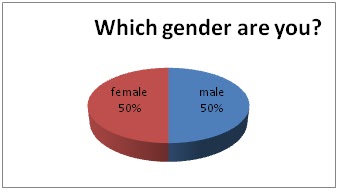
Question one: which gender are you?
Male or Female?

Question two: What age group category do you fit in?
15-18 19-22 23-25 26-39 40+


Question three: what is your genre preference?

Horror Psychological Action Crime Conspiracy Science-fiction comedy cartoon

Question four: do you think a thriller film should have blood in it?
Yes or no

Question five: do you think having suspense in the film makes it a good thriller?
Yes or no

Question six: does having props make a difference to a thriller?
Yes or no

Question seven: what certificate of film would you watch the most?

"U" "PG" "12" "12a" "15" "18"

Question eight: what is your favourite thriller movie?

Question nine: what makes a good thriller?

Question ten: why do you like thrillers?

Questionnaire Results 
I asked 10 people to help me research for my opening to a thriller movie.
Question one: which gender are you?
Male or Female?

Half my target audience was male and the other half was female.

Question two:  What age group category do you fit in?
15-18
19-22
23-25
26-39
40+

Most of my target audience was between ages of 19-22.
Question three:  what is your genre preference?
Horror
Psychological
Action
Crime
Conspiracy
Science-fiction
comedy
cartoon

Most of my target audience liked action thriller films and a lot of people liked science fiction and horror as well.
Question four: do you think a thriller film should have blood in it?Yes or no


Most of my target audience preferred blood in a thriller film.

Question five: do you think having suspense in the film makes it a good thriller?
Yes or no
Most of my target audience liked suspense in their thriller film.
Question six: does having props make a difference to a thriller?
Yes or no
Most of my target audience felt props made a thriller better.

Question seven: what certificate of film would you watch the most?
"U"
"PG"
"12"
"12a"
"15"
"18"

Most of my target audience watched a 15 rated film.
 Interviews

I interviewed Jack, Lorna and Cameron
Question one: what is your favourite thriller movie?
For this question most people found matrix was their favourite thriller movie. As this movie appealed to people that like action and sci-fi as there were special effects and CGI.
Question two: what makes a good thriller?
The Story line and characters are very important factors. The director and actors have to make the audience believe that they can relate to the character and the storyline. Music has to be gripping and dynamic to scare the audience.
Question three:  why do you like thrillers?
The storyline has to be intense, with a lot of surprise and suspense. It should keep you on the edge of your seat .The actors have to make you believe that this is true to life and you are part of that action.
Conclusion:
I interviewed Jack, Lorna and Cameron and their thoughts were a good thriller should have a good storyline to keep the audience engrossed. It should also have good actors and actresses.  I found out that they like action and horror. It should also have good music that makes your hair stand upon end, and a great dialogue throughout the film. All good thrillers should have a good twist at the end to make you think.